
1 hr 30 min
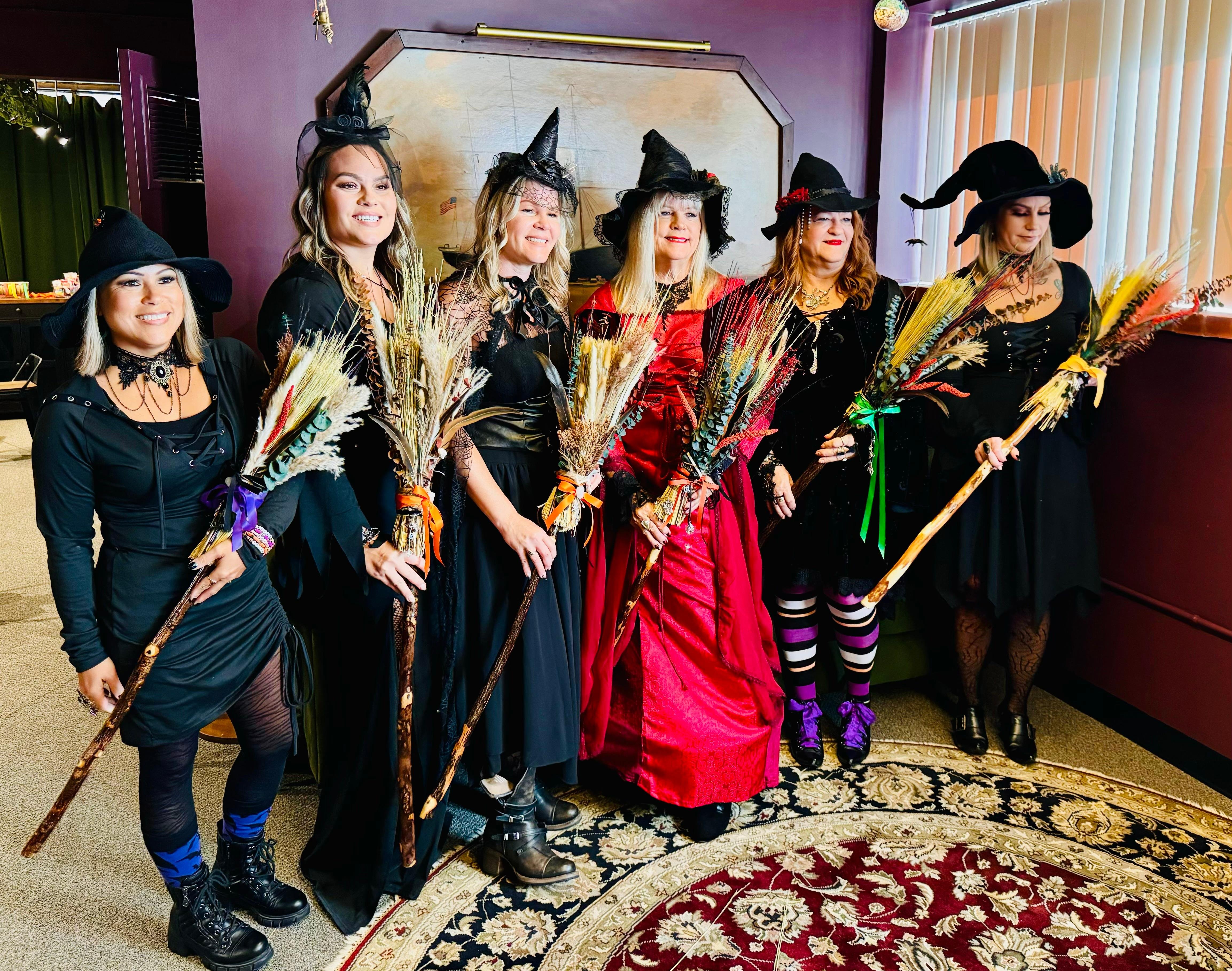
Witchcraft Broom Crafting Workshop
Design and assemble your own enchanted besom in this hands-on Salem class led by local experts.
Reserve
Hand-picked by our editors — only the best 5 experiences from 19 reviewed.
Verified partners for every tour, free cancellation where available, and instant confirmation on every booking.
1 hr 30 min
Design and assemble your own enchanted besom in this hands-on Salem class led by local experts.
Reserve
2 hr
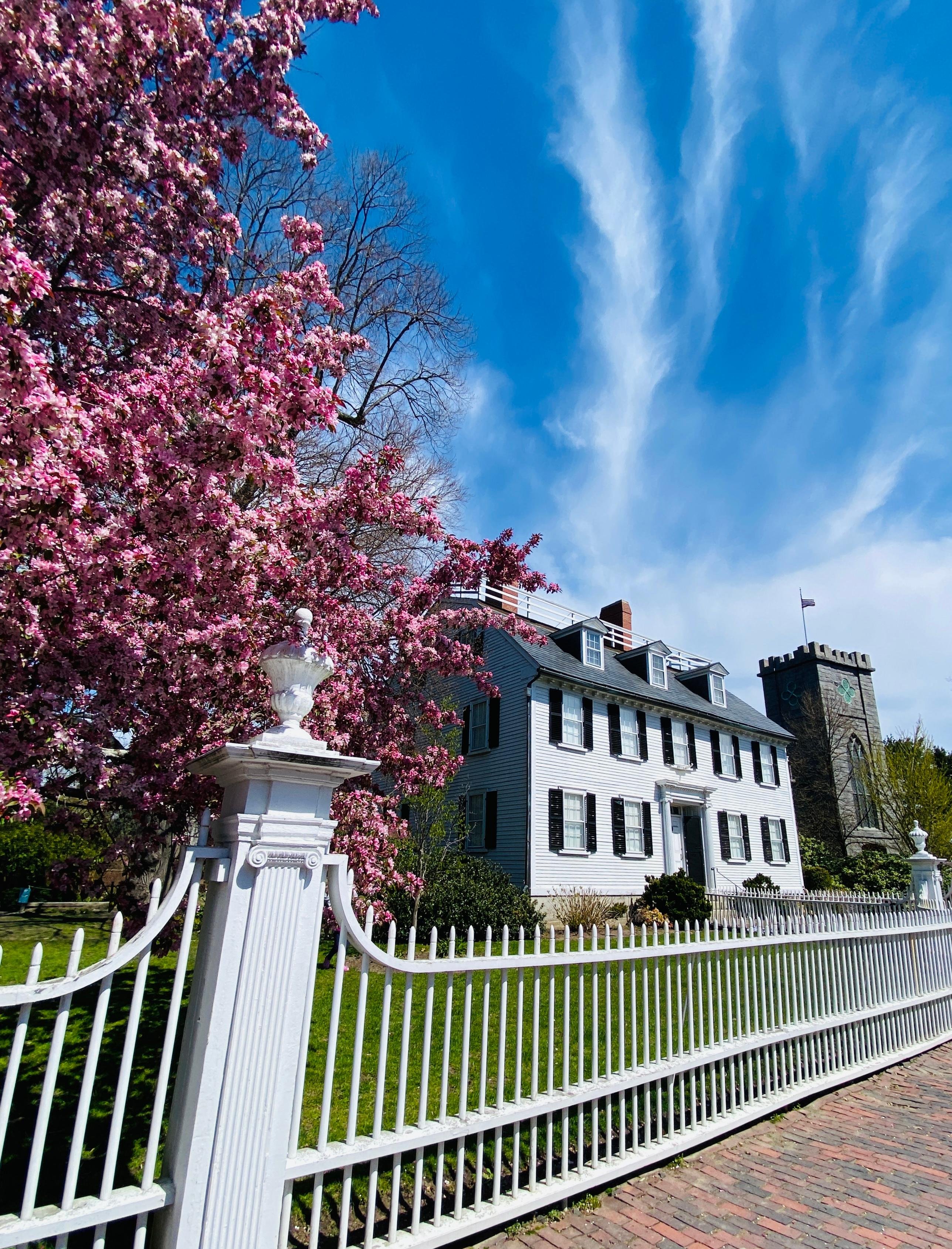
Explore Salem's maritime legacy and supernatural folklore on a 2-hour guided stroll through historic districts
Reserve
1 hr 30 min
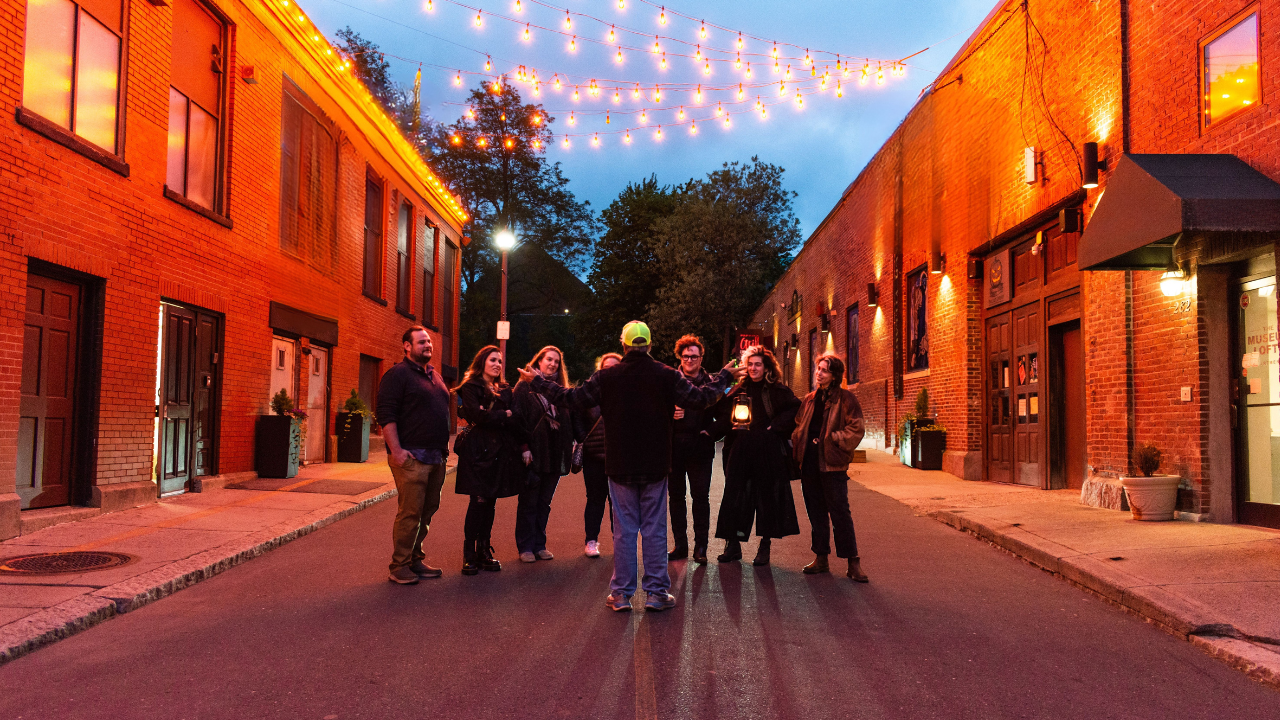
Explore Salem's most haunting sites and documented ghost stories on a 90-minute guided evening walk
ReservePrices from verified partners. Availability updates in real time at checkout. Free cancellation policies apply where shown.
The landmarks, rooms, and views travelers on this tour remember — all visible on a single visit.
The workshop is situated in the heart of the historic district near the waterfront. This area served as a primary maritime hub in the 18th century.
They complement each other; most visitors who prioritize tactile creativity choose the salem broom making workshop, while those seeking narrative context prefer walking tours. These salem broom making workshop tours offer a specialized craft session, whereas walking excursions prioritize local folklore and architecture.
| Feature | Top pick The Witchery Workshop | Salem Walking Tours |
|---|---|---|
Activity Type |
Hands-on crafting | Guided pedestrian exploration |
Primary Focus |
Artisan skill development | Regional history and lore |
Engagement Level |
Active participation | Passive listening and observation |
Physical Output |
Handcrafted broom | Photographs and knowledge |
Historical Depth |
Craft tradition focus | Broad colonial era overview |
| See tickets → |
Verdict: Securing salem broom making workshop tickets provides a unique souvenir and tactile connection to tradition, while walking tours are superior for travelers wanting to immerse themselves in the deep, storied past of the city landmarks.
Choose your ticket, select your date, and reserve in under two minutes. Secure checkout handled by our verified partner.
Instant confirmation by email, with a mobile voucher you can save offline. No printing, no queuing at a collection desk.
Arrive at the entrance, show your voucher on your phone, and walk in. Most tickets include priority or skip-the-line access.
Practical details for your visit straight from our verified partners — hours, access, rules, and how to get there.
86 Wharf St, Salem, MA 01970
Main entrance for your salem broom making workshop
Take the MBTA Commuter Rail to Salem Station. The site is a short 10-15 minute walk from the station.
Park in the Museum Place Garage or nearby municipal lots. Wharf Street has limited street parking.
Casual, comfortable clothing is recommended for the salem broom making workshop. Keep in mind you will be working with natural materials that may produce small amounts of dust or debris.
Large bags are discouraged as space in the workshop area is limited. Guests should keep personal items secure during the salem broom making workshop.
Photography is permitted during your salem broom making workshop session. Please be respectful of other participants and the instructor while capturing your experience.
The Witchery is located in a historic district. Please contact the operator directly to discuss mobility requirements for the salem broom making workshop.
Mobile phones may be used for photos during the salem broom making workshop. Please silence devices to maintain a focused atmosphere.
The salem broom making workshop is generally suitable for older children who can handle crafting tools safely. Adults must supervise minors at all times.
No food or drinks are allowed in the immediate crafting area. Water bottles with secure lids are acceptable.
Only service animals as defined by ADA regulations are permitted inside The Witchery.
Participants will create a handcrafted broom during the session. All materials are included in the 95 USD fee.
86 Wharf St, Salem, MA 01970
Main entrance for your salem broom making workshop
Get directionsBest time to go, insider tips, nearby landmarks, and the cancellation fine print — flip through to skim what matters to you.
How crowds, weather, and events shift across the year.
Warmer weather makes walking between historic sites pleasant. August is a busy time in Salem for cultural activities.
October is extremely busy due to Halloween events. Expect high foot traffic and limited parking.
Mild temperatures and thinner crowds allow for a more intimate salem broom making workshop tour experience.
Quieter period with minimal wait times for local attractions.
Small details that turn a good visit into a great one.
Workshop slots fill up quickly during peak season. Secure your salem broom making workshop tickets well before your trip.
Schedule your session early to have time for other Salem landmarks. Use the 10:00–16:00 window for the best experience.
You will likely be standing or moving around your workstation. Salem is a very walkable city.
Traffic in Salem can be heavy in summer and October. Allow extra time if driving.
Salem is a town with a deep past. Engage with the local stories and respect the community.
Non-bookable sights within a short walk — free to visit, easy to pair.
A solemn space honoring those lost in 1692. It is a key historic site in Salem.
A 19th-century federal building reflecting the maritime history of the area.
Historic waterfront area featuring the Derby Wharf Light Station.
A historic public square used for community gatherings and local events.
Flexible, no hidden fees.
Cancellations must be made according to the terms listed at the time of purchase. The 95 USD workshop participation fee is subject to the specific refund policy outlined during your booking process.
Hand-picked options within walking distance — pick a district for vibe, or a specific hotel for convenience.
A classic hotel known for its architectural significance.
Set in a collection of historic buildings in the city.
Multiple options are available throughout the historic district.
The besom—a bundle of broomcorn lashed to ash or birch with waxed twine—predates the Salem witch trials by centuries, yet the 1692 hysteria cemented its silhouette in American folklore. Colonial households swept hearth stones with besoms fashioned from whatever grew wild: sorghum, birch twigs, even corn husks bound with hemp cord. The craft nearly vanished when factory-made bristle brooms arrived in the 1850s, but a handful of New England artisans preserved the binding methods, passing knotwork and grain selection down through family workshops. The Witchery, a working craft studio on Salem's waterfront since 2014, revived the besom as both functional tool and living history lesson. Its one-hour Salem broom making workshop walks participants through the entire process: selecting broomcorn by stiffness, trimming the seed heads, layering the stalks in overlapping tiers, then cinching the bundle with a four-pass twine wrap that locks without adhesive. The technique mirrors 18th-century methods documented in Essex County probate inventories, where brooms appeared alongside spinning wheels and butter churns as essential household goods. Instructors demonstrate the shoulder roll—a motion that compresses the corn while leaving hands free to feed the cord—and explain why ash handles split less than pine under repeated torque. Salem's maritime economy once supplied broomcorn to chandleries up and down the Massachusetts coast; ships' cooks used short-handled besoms to clear flour dust from galley planks. The Witchery sources its broomcorn from the same Connecticut River Valley fields that fed 19th-century broom factories, and every handle blank comes from Massachusetts hardwood. The workshop doubles as a材料science primer: broomcorn is technically a cultivar of sorghum, its panicles bred for length and flex rather than grain. Participants leave with a 36-inch besom strong enough for outdoor sweeping and a working knowledge of the joinery that kept colonial homes functional before mass production. The hour concludes with a demonstration of historical broom styles—the Shaker flat broom, the Appalachian round broom, the cobweb broom with its angled head—each adapted to a specific surface or reach. The workshop runs year-round at 86 Wharf Street, a repurposed sail loft with original 1840s floor joists and steel-reinforced ceiling beams. The studio's inventory includes over two hundred broom artifacts, from a miniature hearth broom no longer than a forearm to a six-foot stable broom used in Marblehead carriage houses. Every Salem broom making workshop ticket includes materials, instruction, and the finished besom; no prior craft experience required. The Witchery also offers advanced sessions in decorative binding and dyed broomcorn inlay, though the introductory class remains the most popular, blending tactile skill with the port city's layered craft traditions.
"The besom nearly vanished when factory-made bristle brooms arrived in the 1850s, but a handful of New England artisans preserved the binding methods."
A step-by-step walkthrough of the visit — what you'll see, how long each stage takes, and the details that matter.
You arrive at 86 Wharf Street ten minutes early and climb the wooden staircase to the second-floor studio, where bundles of broomcorn lean against exposed brick and finished besoms hang from ceiling hooks. Your instructor sets out a tray: one ash handle blank, a mound of trimmed broomcorn stalks sorted by stiffness, and a spool of waxed linen twine. You begin by arranging the stalks in overlapping layers around the handle's tapered end, the instructor demonstrating the shoulder roll that compresses the bundle without crushing the delicate seed heads. Ten minutes in, you've built a dense, even skirt of broomcorn. The instructor hands you the twine and walks you through the four-pass wrap: down, around, up, lock. Your first attempt sags; the second holds. You cinch the cord with a pull that surprises you—the bundle compresses to half its loose diameter, and suddenly the besom has heft and balance. The instructor trims the skirt to a clean line, then shows you how to test the sweep: flat, angled, then overhead for cobwebs. You walk out fifty minutes later with a besom that works, weighing less than two pounds but stiff enough to clear wet leaves from a porch.
The Witchery is open Tuesday through Sunday from 10:00–17:00. It is closed on Mondays.
Participation in the salem broom making workshop costs 95 USD. This includes all materials and instruction at The Witchery.
Yes, families are welcome, though the workshop is best for those who can safely handle crafting tools. Contact The Witchery for specific age guidance.
We recommend arriving between 10:00–16:00 to avoid mid-day crowds and ensure you have time for your session. The Witchery closes at 17:00.
Yes, you are encouraged to document your experience at The Witchery during the workshop. Please be mindful of other participants.
There are no strict age limits, but children must be supervised by an adult at all times during the session. The Witchery prioritizes safety for all participants.
The workshop is located at 86 Wharf St, Salem, MA 01970.
No, all necessary materials for your broom are included in the 95 USD fee provided by The Witchery.
You can arrive by train via the MBTA Commuter Rail or park in nearby public garages. The Witchery is accessible by foot from many central Salem points.
Cancellations are managed per the booking terms. Please review your confirmation details for the 95 USD fee refund policy at The Witchery.